Dr.RahulTandon is a well-known figure in plastic surgery. Having 25 years of experience in Plastic Surgery and operated more than 5000 cases is the most sought after Plastic and Cosmetic surgeon not only in Prayagraj but most the surrounding areas.
Dr.RahulTandon is a well-known figure in plastic surgery. Having 25 years of experience in Plastic Surgery and operated more than 5000 cases is the most sought after Plastic and Cosmetic surgeon not only in Prayagraj but most the surrounding areas.
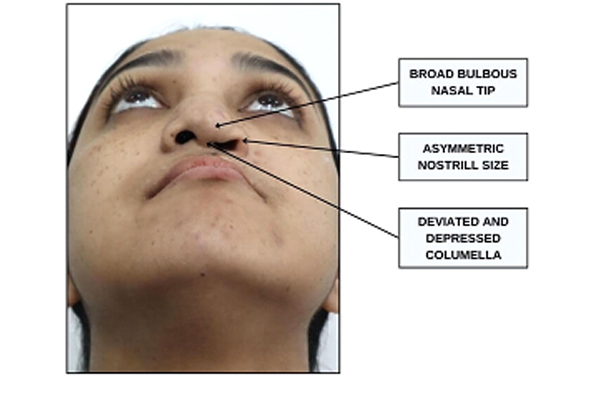
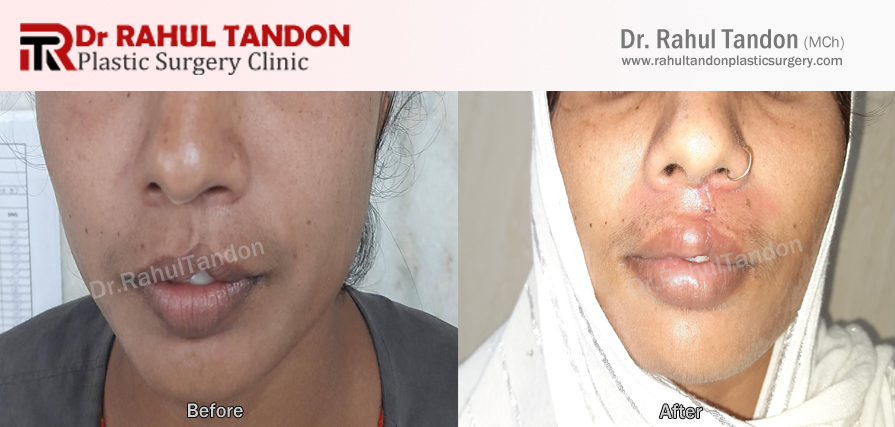
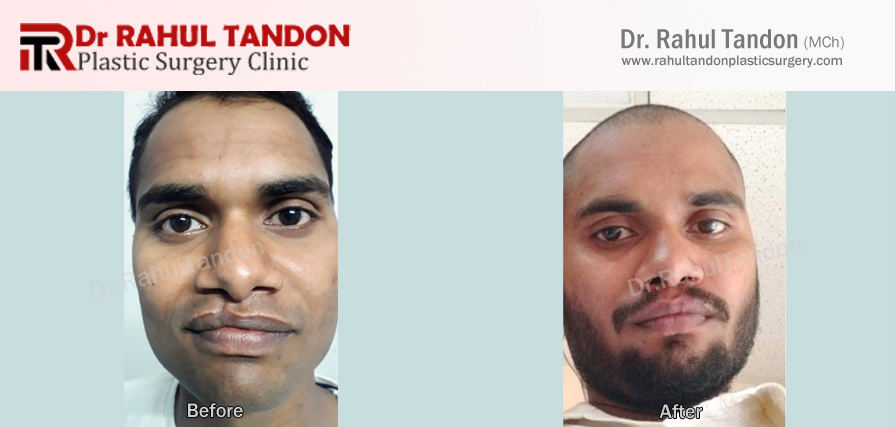
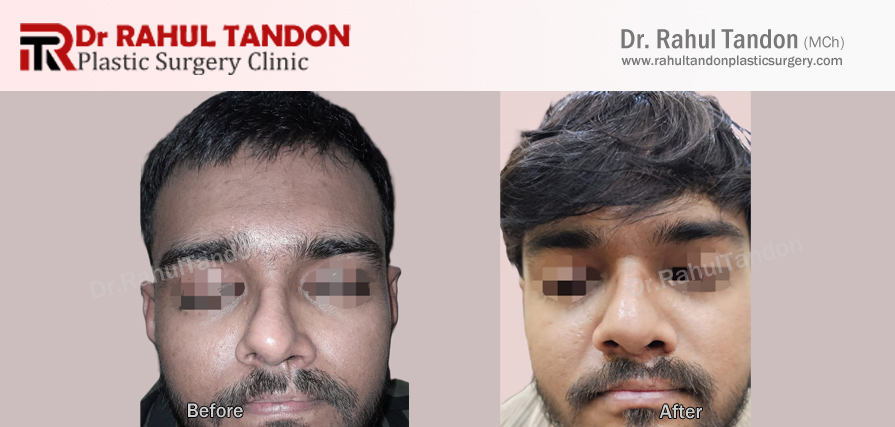
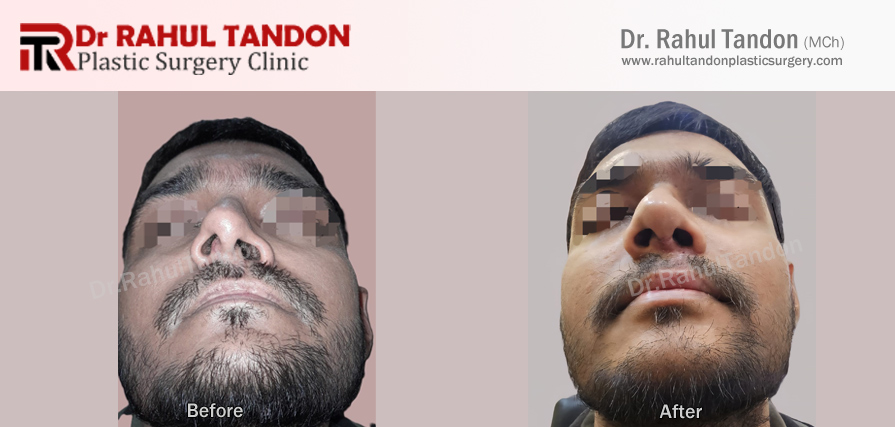
A cleft lip nose deformity is a structural abnormality of the nose that can occur in individuals with a cleft lip, either unilateral (one side) or bilateral (both sides). The severity of the deformity varies, but it often involves asymmetry, a flattened nasal tip, a shortened columella (the tissue that separates the nostrils), and a wider, flatter nostril on the cleft side.
Here's a more detailed look:
Unilateral Cleft Lip Nasal Deformity:
The most prominent feature is the asymmetry of the nose, with the nasal tip deviating towards the non-cleft side.
The alar cartilage, which shapes the nostrils, is displaced and deformed on the cleft side.
The nasal dome on the cleft side is flattened and lower than the non-cleft side.
The columella is often shorter and deviates towards the non-cleft side.
The nostril on the cleft side may be wider, flatter, and more oblique or slanted.
The alar base (where the nostril meets the lip) is often wider on the cleft side.
Bilateral Cleft Lip Nasal Deformity:
Causes:
Treatment:
Surgical procedures, often involving rhinoplasty techniques, are used to correct the nasal deformity, often at the time of primary lip repair.
Reconstruction may involve repositioning the alar cartilages, lengthening the columella, and reshaping the nostril.