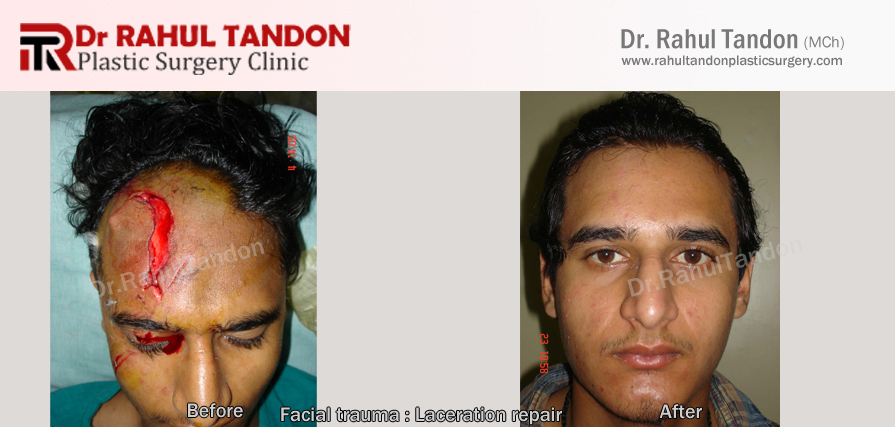
Dr.RahulTandon is a well-known figure in plastic surgery. Having 25 years of experience in Plastic Surgery and operated more than 5000 cases is the most sought after Plastic and Cosmetic surgeon not only in Prayagraj but most the surrounding areas.
Dr.RahulTandon is a well-known figure in plastic surgery. Having 25 years of experience in Plastic Surgery and operated more than 5000 cases is the most sought after Plastic and Cosmetic surgeon not only in Prayagraj but most the surrounding areas.
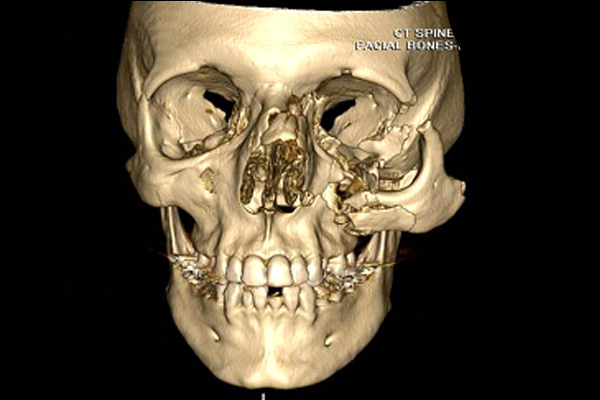
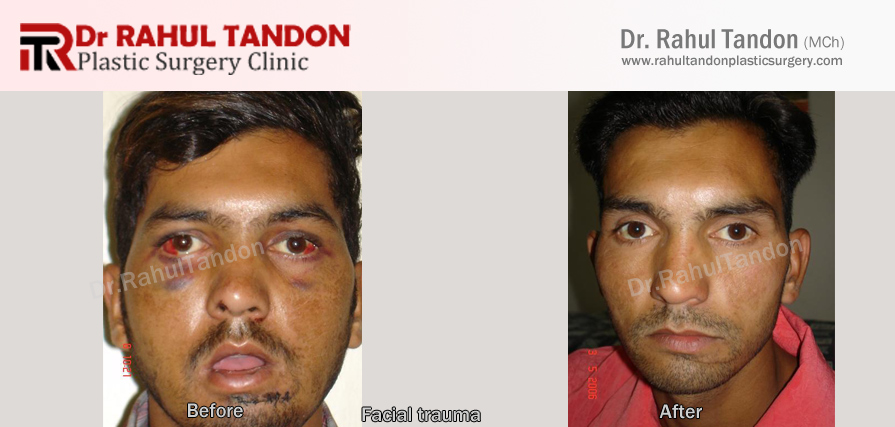
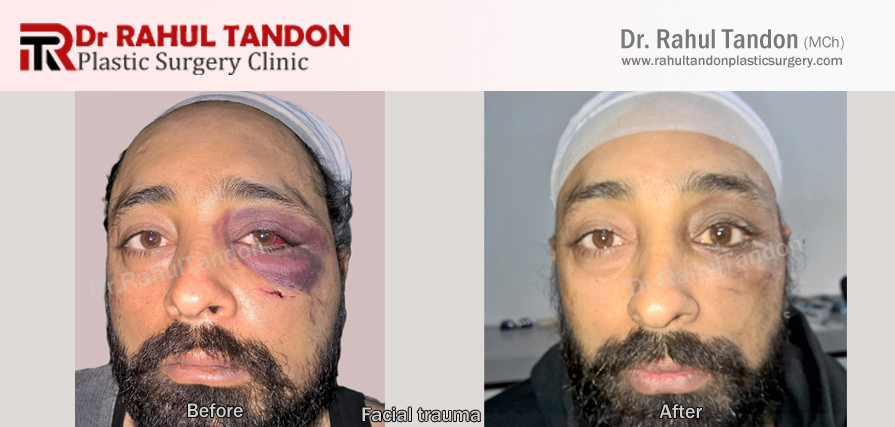
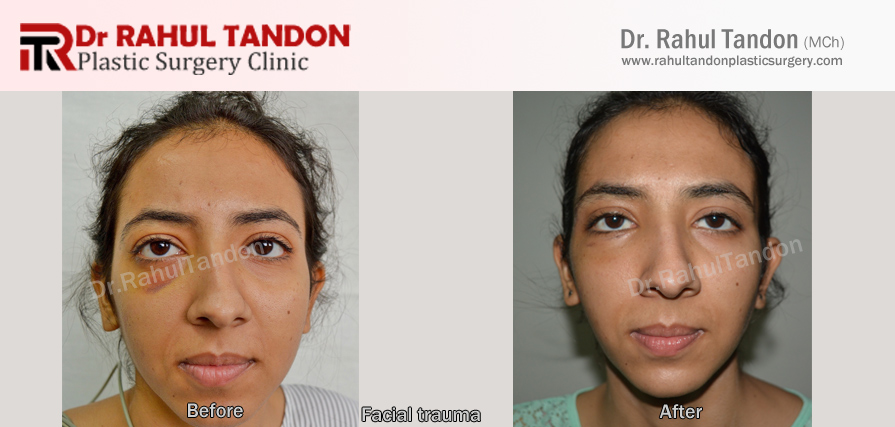
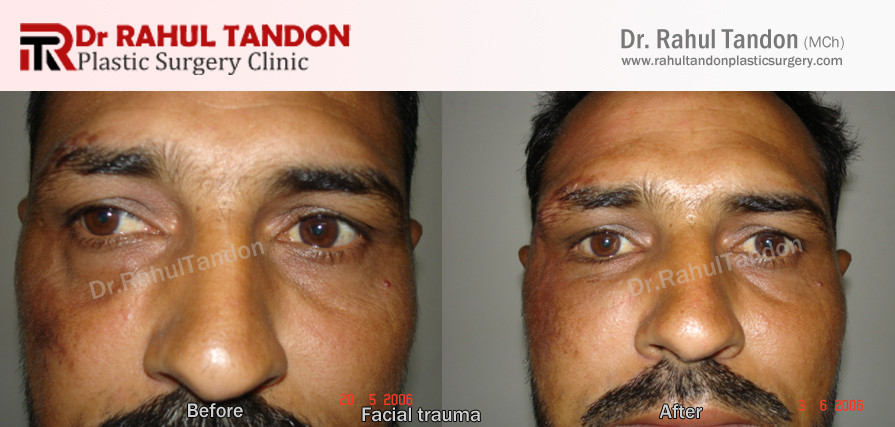
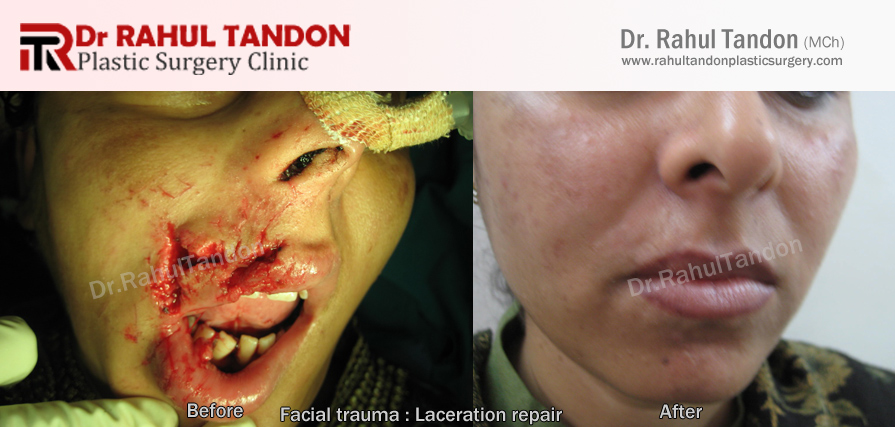
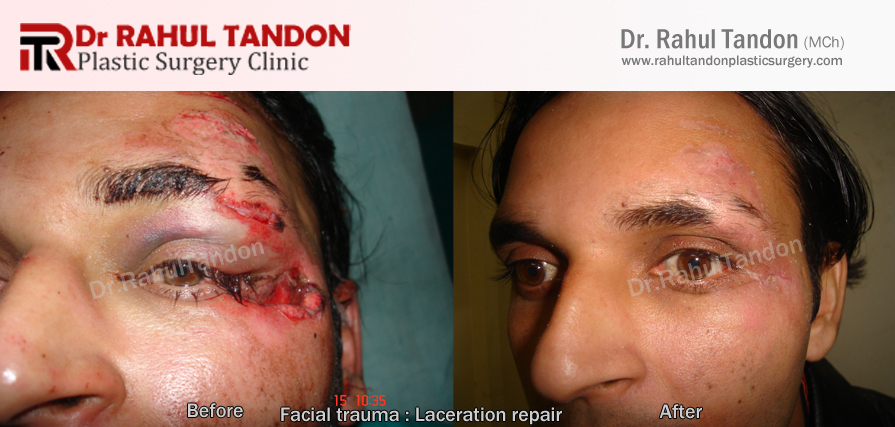
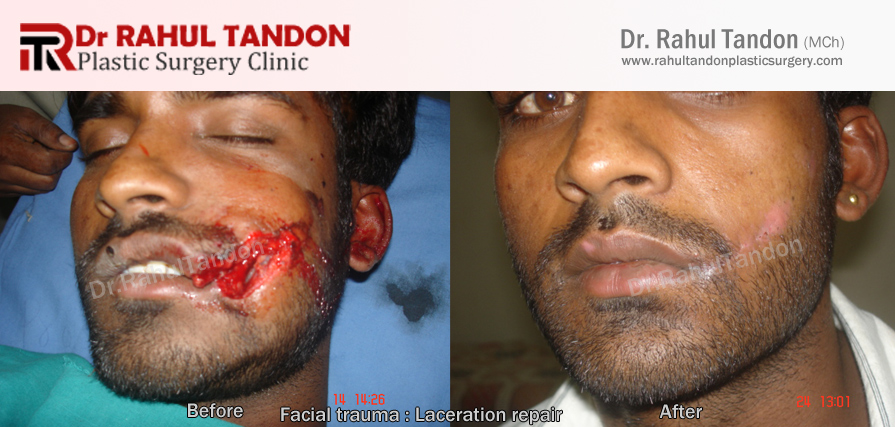
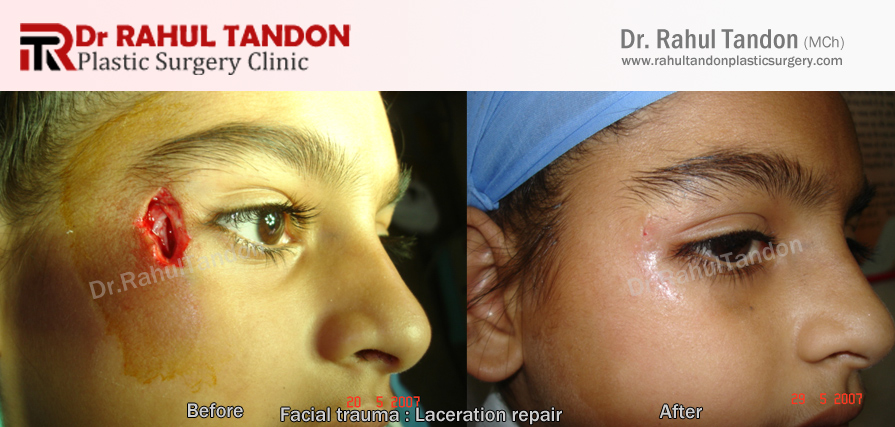
Facial trauma repair involves surgically realigning fractured facial bones using plates and screws or wiring, and repairing soft tissue injuries with stitches, skin grafts, or tissue transfers. Treatment aims to restore the face's natural architecture and function, with approaches tailored to the injury's severity.
Initial Evaluation and Treatment Planning
A surgeon evaluates the full extent of the injury, examining both bone fractures and soft tissue damage, including nerves, salivary ducts, and the eyes.
Ensuring a secure airway is a critical first step, especially in severe facial trauma.
Early repair, ideally within hours or days of the injury, generally leads to better functional and aesthetic outcomes.
Bone Repair
In some cases, especially with minor fractures, bones can be realigned manually without surgery.
For more serious fractures, surgery is required to open the area, realign the bones, and stabilize them with plates and screws, often made of titanium.
Jaw fractures may be temporarily wired shut to ensure proper healing and stabilization.
For large structural defects, bone grafts are used to provide support and fill missing sections of bone.
Soft Tissue Repair
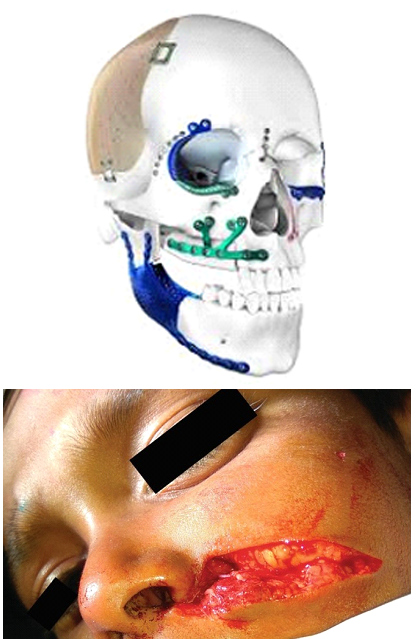
CHEEK BONE FRACTURE Also known as ZYGOMATIC BONE
A zygomatic bone fracture is a break in the cheekbone, also known as the malar or zygomatic bone. These are the second most common facial fractures, most often caused by blunt-force trauma from assaults, sports injuries, motor vehicle accidents, or falls. The severity of the fracture can vary from a simple crack to a severely displaced, multi-fragmented injury.
The zygomatic bone plays a critical role in facial structure by protecting the eye and forming the prominence of the cheek. Damage to this bone can cause both cosmetic and functional problems.
Symptoms can range from mild discomfort to severe functional impairment, depending on the severity and location of the fracture.
Treatment options depend on the fracture's severity and displacement.
Conservative management
For non-displaced or minimally displaced fractures, surgery may not be necessary.
Surgery is typically required for displaced fractures to restore both facial appearance and function.