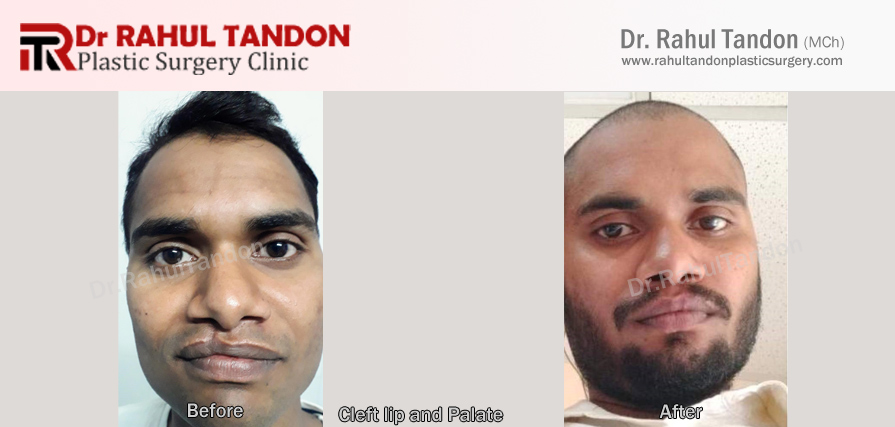
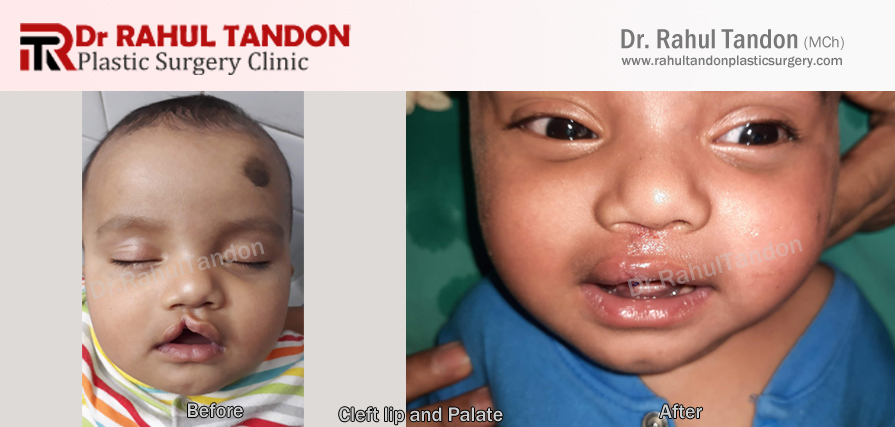
Dr.RahulTandon is a well-known figure in plastic surgery. Having 25 years of experience in Plastic Surgery and operated more than 5000 cases is the most sought after Plastic and Cosmetic surgeon not only in Prayagraj but most the surrounding areas.
Dr.RahulTandon is a well-known figure in plastic surgery. Having 25 years of experience in Plastic Surgery and operated more than 5000 cases is the most sought after Plastic and Cosmetic surgeon not only in Prayagraj but most the surrounding areas.
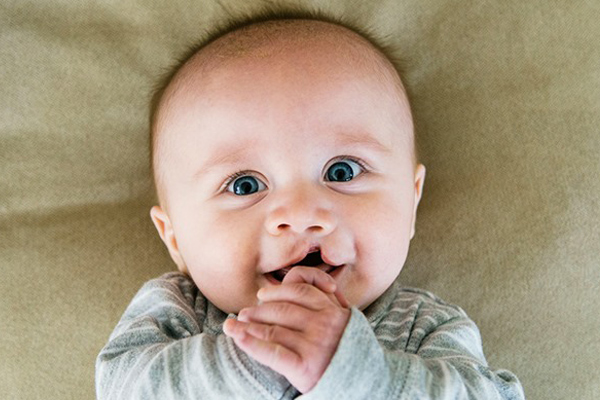
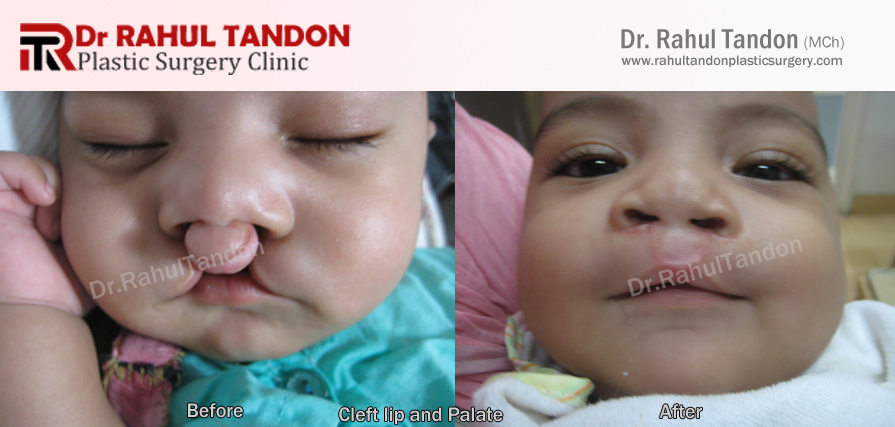
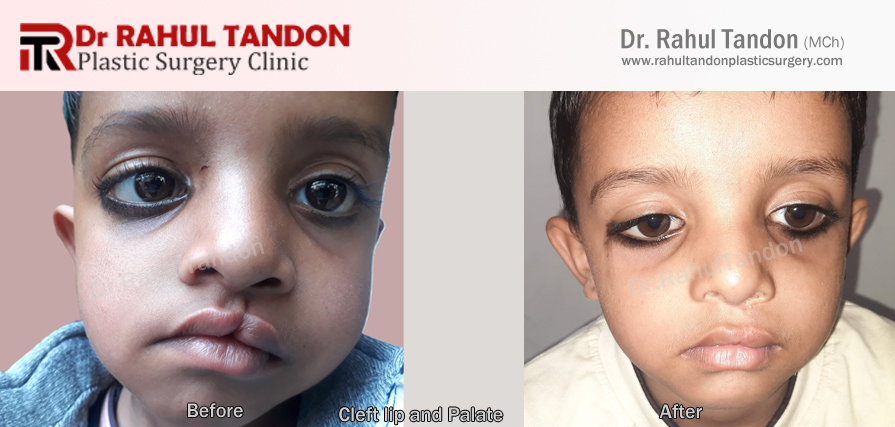
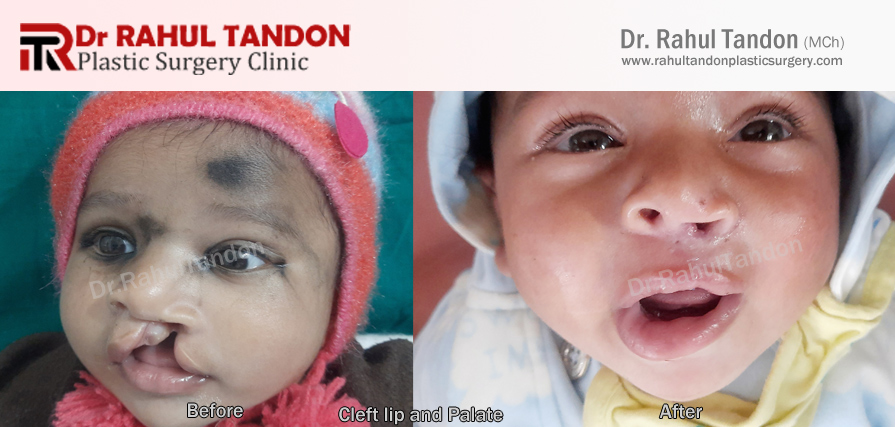
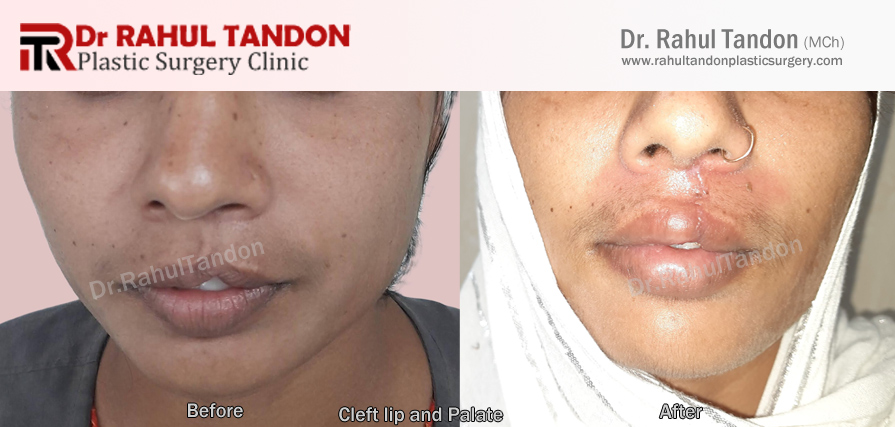
Cleft lip and palate are birth defects that happen when a baby's lip or roof of the mouth (palate) doesn't close properly during pregnancy, resulting in an opening. This can be an isolated cleft lip, a cleft palate, or both, affecting the baby's ability to feed and potentially leading to problems with speech, hearing, and teeth. While often treated with surgery to close the opening, comprehensive care from a specialized team is essential for the child's lifelong health.
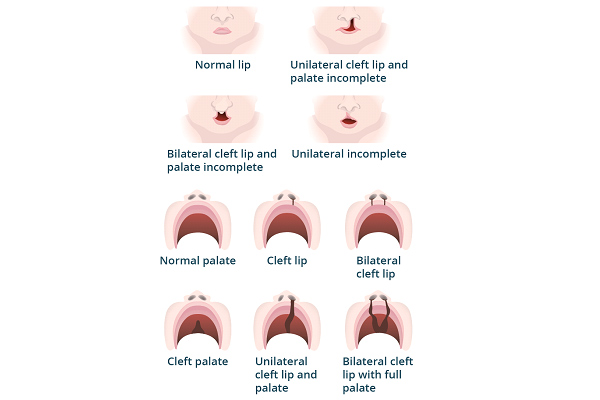
Treatment and Management:
Cleft lip is often repaired surgically between three to six months of age, with cleft palate repair done around 9 months to 15months of age.
A comprehensive team of specialists, including surgeons, speech therapists, orthodontists, and dentists, will assess and treat the child.
Special feeding techniques or specialized bottle nipples may be necessary.
Speech, hearing, and even psychological therapy may be recommended to help manage the functional and psychosocial effects of clefting.
Regular monitoring for ear infections, hearing loss, and dental issues is crucial throughout the child's development.