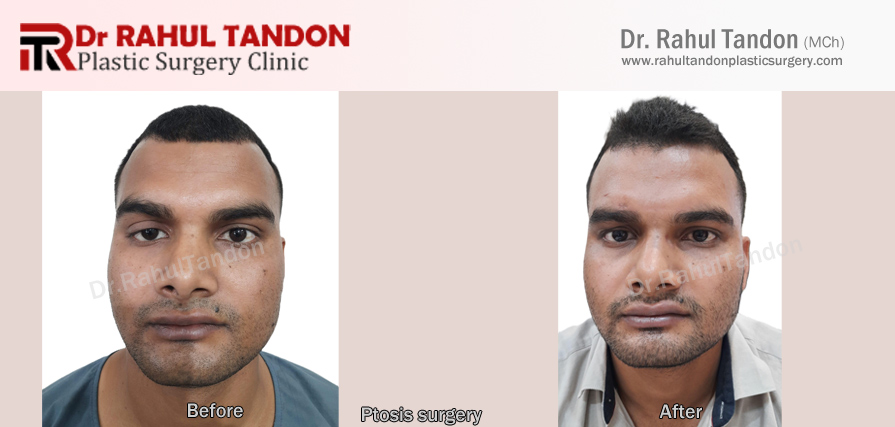
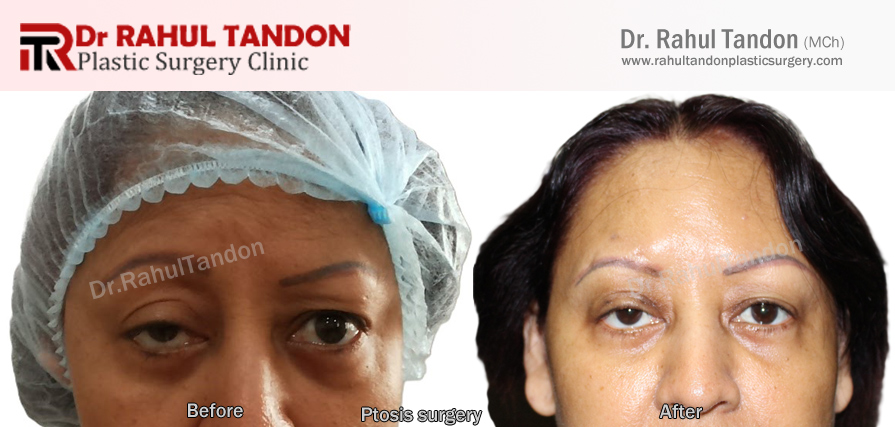
Dr.RahulTandon is a well-known figure in plastic surgery. Having 25 years of experience in Plastic Surgery and operated more than 5000 cases is the most sought after Plastic and Cosmetic surgeon not only in Prayagraj but most the surrounding areas.
Dr.RahulTandon is a well-known figure in plastic surgery. Having 25 years of experience in Plastic Surgery and operated more than 5000 cases is the most sought after Plastic and Cosmetic surgeon not only in Prayagraj but most the surrounding areas.
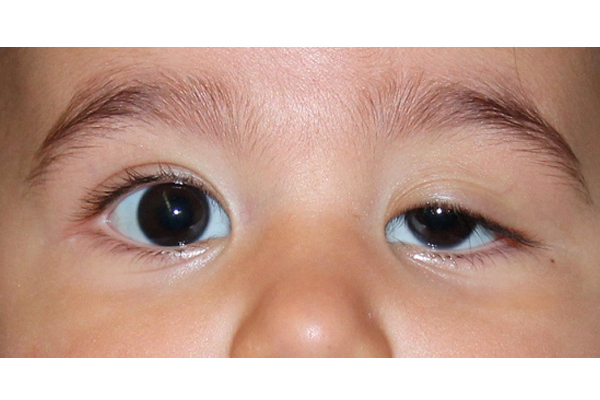
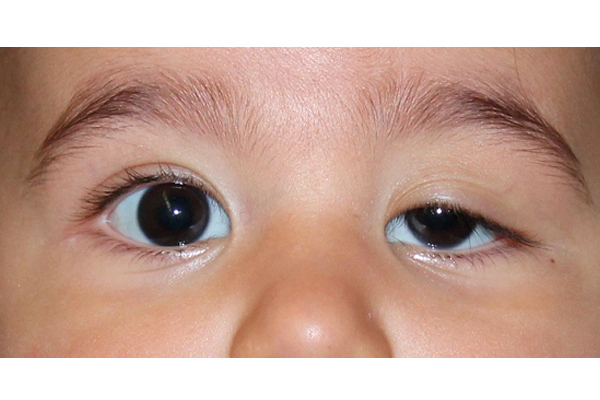
Ptosis, also known as blepharoptosis drooping eyelid , is a condition where the upper eyelid droops, potentially obscuring vision. It can be congenital (present at birth) or acquired later in life. The drooping can be mild or severe, affecting one or both eyes, and may be caused by issues with the levator muscle or related nerves.
Symptoms:
Causes:
Treatment:
We at our clinic are regularly using Sling Surgery for the treatment with very good and long lasting results